

Listening to Our Inner Child: Navigating Emotions in a Complex World
“It’s Not Fair”
“It’s not fair,” the six-year-old in her wanted to say.
We were mid-session, exploring the frustration and overwhelm she felt with another significant blow to her already tragic life. Her young pet died suddenly from an aggressive cancer.
She associated with her younger self, recalling her mother’s words:
“Life isn’t fair.”
Life isn’t fair, sure. And so what do we do with that?
When Logic Isn’t Enough
Logical responses do little to quell emotions that stir up inside us when life throws us painful curveballs. My client had already gone through unforeseen challenges that naturally made her encounter heavy emotions: grief through loss after loss after loss. She took her mother’s words as fact and guidance: hide those feelings and get used to them. But what of the exhaustion? What of the times when we’re emotionally overwhelmed and tired of all the challenges? What about when we want a break?
The reality is that life is not fair. We can’t always change our circumstances, so instead, we try to find ways to accept them. A healthy adaptation, and yet, a child’s emotions don’t go away when dismissed, ignored, or rejected. They often go underground. Unheard feelings create a life of shadows, and these emotions seep out in harmful ways like depression, aggression, and addictions.
Logical responses to emotional matters do little to help our process. Together, we explored the feelings my client had in reaction to her mother’s words. It was all so logical, though: life isn’t fair.

The Heart vs. the Mind
As an adult, my client began to do what was done to her: she shut down her own emotions and learned to buckle through. It worked for a while until it didn’t. Although we’d like to reason away our feelings, they nevertheless seem to persist. Ever had a crush on someone and tried to squash it with reason? Ever have a life dream and try to talk yourself out of it? How did it go?
Often, matters of the heart need to be responded to with the heart. Topics of the mind do better when we understand how our emotions may be intruding. We must learn the difference when both reason and humanity intersect.
Listening to the Inner Child
Learning to shut down her feelings didn’t allow my client to explore what needed to be expressed underneath. I wanted to make space for the unheard six-year-old. What were you trying to convey? I asked.
We found that it was about her frustration, confusion, and sadness. Her inner six-year-old was still speaking; she was never fully heard. Together, we discovered that when she felt “overwhelmed, frustrated, and powerless,” as an adult, she shut herself down by isolating and keeping her pain to herself: she suffered alone. Our work became about feeling her deeper feelings and then finding spaces to share them with others. She was learning to feel, accept, and then share in safe places.
Reconnecting with Buried Emotions
Making room for undiscovered feelings allowed my client to reconnect with her disowned, long-buried parts. She needed to share this overwhelming sadness with someone who would listen. She needed to be heard.
So much of our internal wiring comes indirectly—we adapt to what happens to us from other people. We first make meaning of people’s actions and our life circumstances. We believe what our parents say and do until we have reason to think otherwise. Dangerously, we might never question them.
Growing Through Our Youth
Our youth begs us to grow and expand. Yes, we often lack words to communicate our feelings during this process. Schools don’t teach us about our feelings or how to express them. Most of us picked up our understanding of our feelings and how to act through the people we grew up around. Did your family act out their anxiety and anger with loud outbursts, or were they the secret and silent type? Were only the men allowed to be angry? Were only the women allowed to cry?
The emotional body is a powerful force. Whether it’s a pizza you want but say you shouldn’t have or a fantasy of running away from life’s inevitable problems, we can’t always reason ourselves out of our feelings. Sometimes we need to feel them. We need first to listen.
Understanding and Communicating Our Emotions
We need both understanding and a language to convey what was going on inside us. Absent that, we act out our emotions rather than communicate them. Attuning to the actual children in our lives requires openness to what is going on behind the scenes. Behaviors are attempts to deliver messages; we’re just often conditioned not to listen.
As adults, we continue to have our inner child, which holds unexpressed and stuck emotions that often surface in acts like tantrums or outbursts. Road rage is an easy target for unheard anger or misdirected sadness. Hysteria lets us predict (with confidence) that there is more going on beneath the surface.
The Impact of Over-Intellectualizing
When adults respond to a child’s feelings with logic, they shut down a necessary conversation about understanding the inner world. Chronic responses in this manner teach children to shut down their own emotions. On a massive level, we end up with a society of adults who over-intellectualize and become disconnected from their feelings. Is it any wonder we have more depression and addiction than ever before?
Many clients would defend against deeper feelings and immediately say they don’t want to sound like a “victim.” Socialized to be intellectual, many males don’t want to appear weak, whiny, or irresponsible. And yet, I can’t help but notice that the child within them is trying to speak.
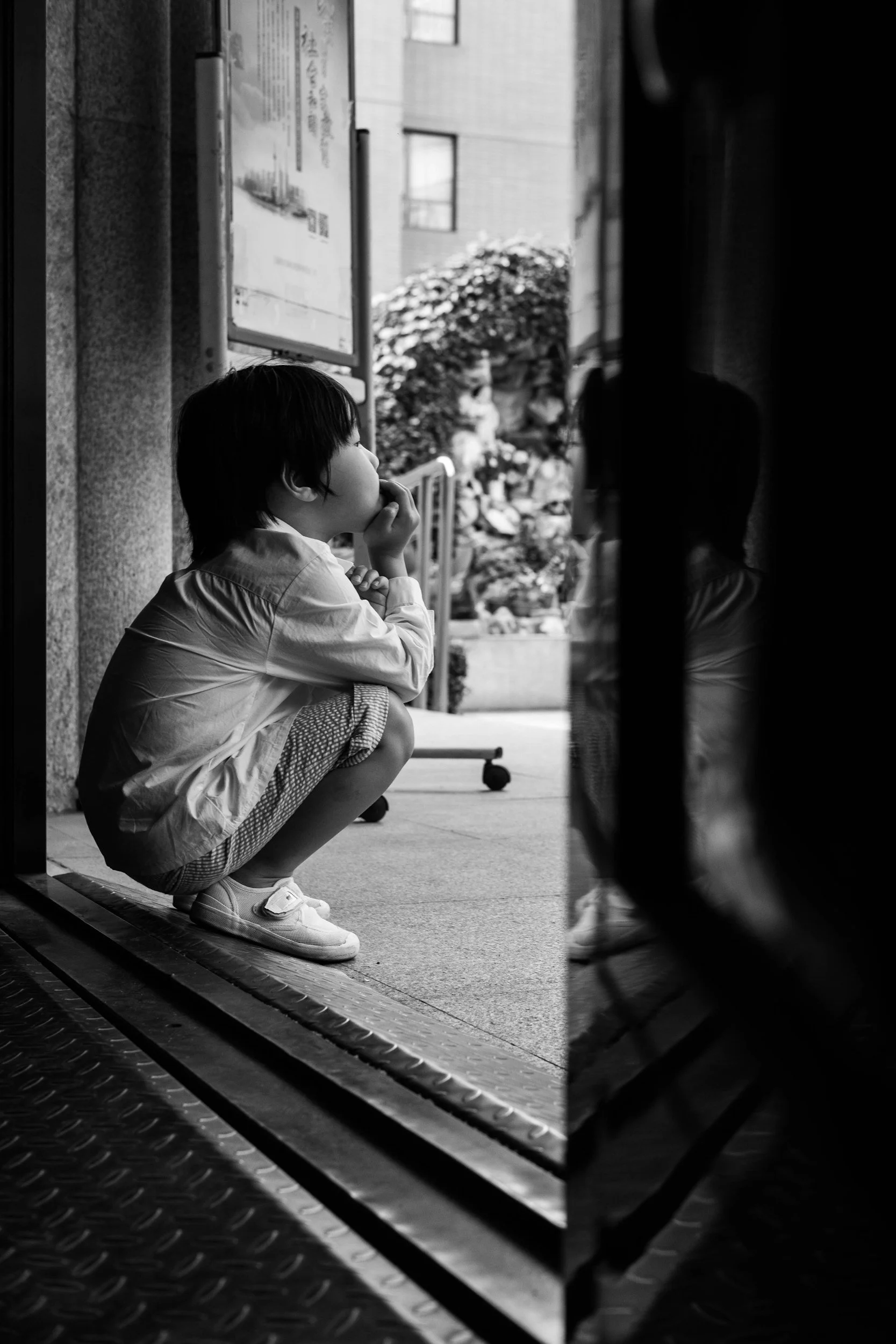
Exploring Victimhood and Responsibility
When we’re defending against playing “a victim” of what happened to us, we reject our inner realities and the feelings that live beneath them. When we uncover and dig beneath the defense of victimhood, we learn about what emotions we’re avoiding.
We can be victims of our circumstances and our unconscious as much as we are of our traits, race, and heritage. We didn’t choose these things, but they are ours now and ours to navigate and understand. Knowing and understanding the parts of us that are victims of our relational ways of responding to others and ourselves is both: we accept the reality we didn’t choose. And we take responsibility for the feelings we have about our lives. By taking responsibility for what happened to us, we set ourselves on a path to free ourselves.
Victim mentality is a state of feeling helpless. And there is much to learn from exploring the authentic feelings that arise when we feel lost and lacking confidence in our ability to navigate life. However, when we reactively shut down, we’re defending against deeper understanding of ourselves.
“I think some part of me knows I’m depressed. But another part of me doesn’t want to believe it,” another client said recently.
In a world that steers us to our minds, logic, and feeling good, we become frightened to see ourselves as victims of our emotions. We shy away from exploring the feelings beneath the surface.
Accepting and Feeling Our Emotions
We’d rather not accept the harm caused to us by someone else, so we turn on ourselves instead. We don’t want to feel our raw anger, lest we act destructively on it. We are scared by our grief because it might paralyze us. It’s frightening to believe we might be vulnerable.
Acceptance of what has happened is essential in moving forward with life, but it should not overstep the inevitable and critical emotions that come with the experience.
We relish and welcome our pleasure, like a tasty meal or a crisp drink on a hot day. We don’t need logic or reason that, of course, it tastes good: We enjoy, we accept pleasure readily. We cannot always reason away or sidestep the pain, confusion, and grief that envelop us. To live a full and authentic life, these feelings must have room to speak.